
Small Plant, Big Impact: The Case for Hemp This Earth Month
Don’t let its simplicity fool you, hemp is one of the hardest-working plants on the planet.
It doesn’t look like much at first. It grows tall, a little scrappy, not especially delicate. But underneath that is a plant that’s been used for thousands of years and is quietly making a case for itself again, especially now, when people are paying closer attention to how things are made and where they come from.
Hemp grows quickly. It doesn’t demand much. And somehow, it manages to show up in everything from clothing to construction to the cannabinoid products people use every day. That’s why it keeps coming up in conversations around sustainability. Not because it’s trendy, but because it’s practical.
Why Hemp Gets Brought Up Every Earth Month
Every April, brands start talking about sustainability. Some of it is real. Some of it is… less so.
Hemp tends to land on the “real” side of that conversation.
For one, it grows fast. In the right conditions, hemp can be ready to harvest in about three to four months. That alone changes how land is used. You’re not waiting years for a return like you would with trees, and you’re not stuck in a single-output crop cycle either.
It also doesn’t need as much water as crops like cotton. That’s a big deal, especially in areas where water use is becoming a real concern. Cotton has its place, but it’s notoriously thirsty. Hemp gives you a similar fiber output without the same level of strain on resources.
Then there’s the soil. Hemp roots run deep. Over time, they help break up compacted ground and improve overall soil structure. Farmers have used it in rotation crops for that reason, it doesn’t just take from the soil, it actually helps reset it a bit.
And while no crop is completely maintenance-free, hemp tends to require fewer pesticides than many conventional crops. That means less chemical runoff and less impact on surrounding ecosystems.
None of this makes hemp perfect. It still needs to be grown responsibly. But when you stack it up against a lot of traditional materials, it holds its own—and then some.
Four Ways Hemp Actually Shows Up in Real Life
A lot of people hear “hemp” and immediately think of one thing. Usually CBD. Maybe vapes. But that’s only one lane.
Hemp is one of those rare plants where almost every part of it gets used. And once you start looking, you realize it’s everywhere.
1. Clothing That Lasts Longer Than You Expect
Hemp fabric has been around for a long time. Historically, it was used for ropes and sails because it’s strong and holds up under stress.
Modern hemp clothing is a lot more wearable than it used to be. It’s softer now, more breathable, and blends well with other fabrics. But the durability is still there.
From a sustainability angle, it comes back to inputs. Hemp can produce fiber with less water and fewer chemicals than cotton in many cases. And because it’s strong, the end product tends to last longer, which means fewer replacements over time.
It’s not flashy. But it works.
2. Building Materials That Think a Little Differently
This is where hemp starts to surprise people.
Hempcrete, made from the woody core of the plant mixed with lime and water, is used as a building material, mostly for insulation and non-structural walls.
It’s lightweight. It breathes. It helps regulate moisture inside a space. And it naturally resists things like mold and pests.
What makes it interesting from a sustainability perspective is how it fits into the bigger picture. Hemp absorbs carbon as it grows. When it’s turned into building material, some of that carbon stays locked in.
It’s not going to replace concrete across the board. But it doesn’t have to. It just has to be a better option where it makes sense.
3. Paper and Plastics That Don’t Stick Around Forever
Hemp was used for paper long before wood pulp took over. One of the reasons it’s being revisited now is speed.
Trees take years—sometimes decades—to mature. Hemp doesn’t.
That makes it a renewable source for paper products, especially when demand is high.
There’s also growing interest in hemp-based bioplastics. These aren’t perfect yet, and they’re not everywhere, but they’re part of a shift away from petroleum-based plastics that linger in the environment.
It’s less about replacing everything overnight and more about having better options where they count.
4. Food, Oil, and Everyday Wellness
Hemp seeds are one of those ingredients people don’t think about much, but they’re solid nutritionally. They contain protein, healthy fats, and a good balance of omega-3 and omega-6 fatty acids. You’ll see them in smoothies, snacks, and even just sprinkled over food.
Hemp seed oil shows up in cooking and skincare. It’s light, absorbs easily, and doesn’t require heavy processing to be usable. This side of hemp is quieter, but it still matters. It’s another example of the plant doing more than one job at once.
Hemp and Cannabinoids: The Part Most People Recognize
For a lot of people, hemp enters the picture through cannabinoids.
That shift really took off after the Agricultural Improvement Act of 2018, which made it legal to grow hemp in the U.S. as long as it stays under 0.3% delta-9 THC.
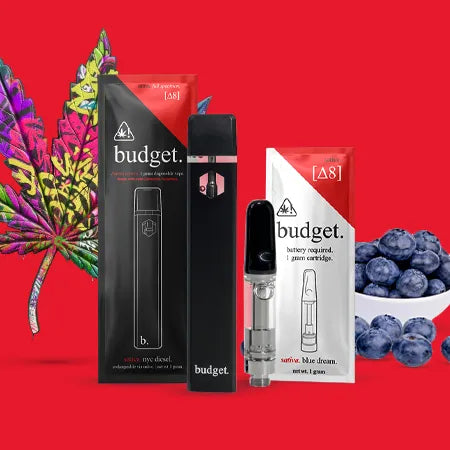
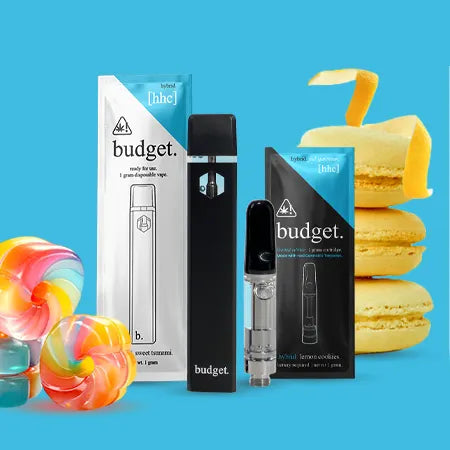
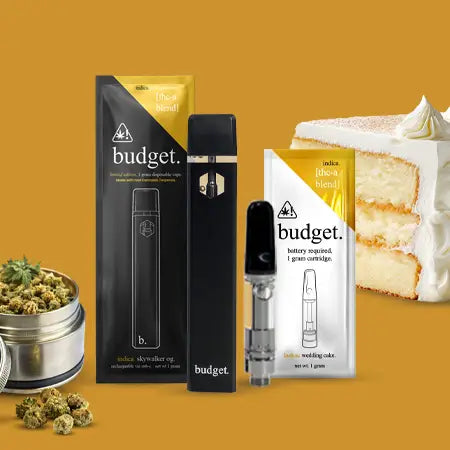
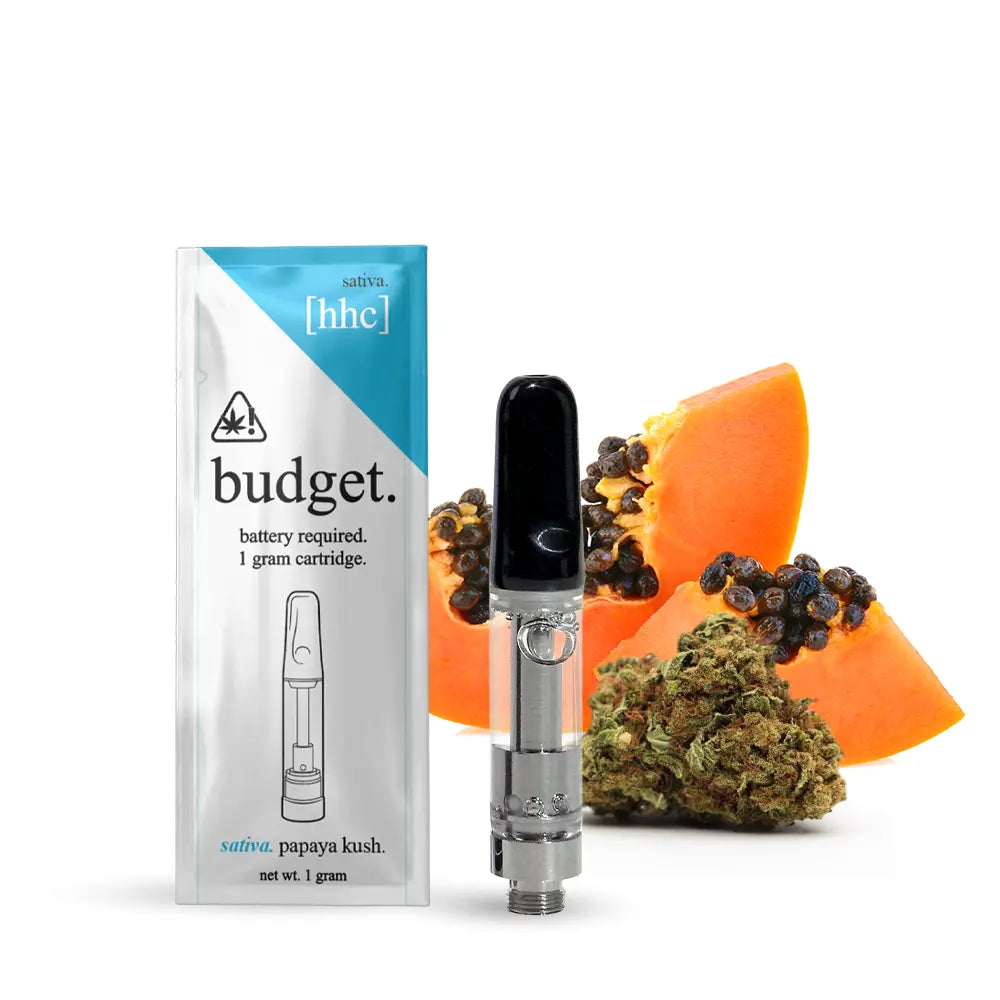
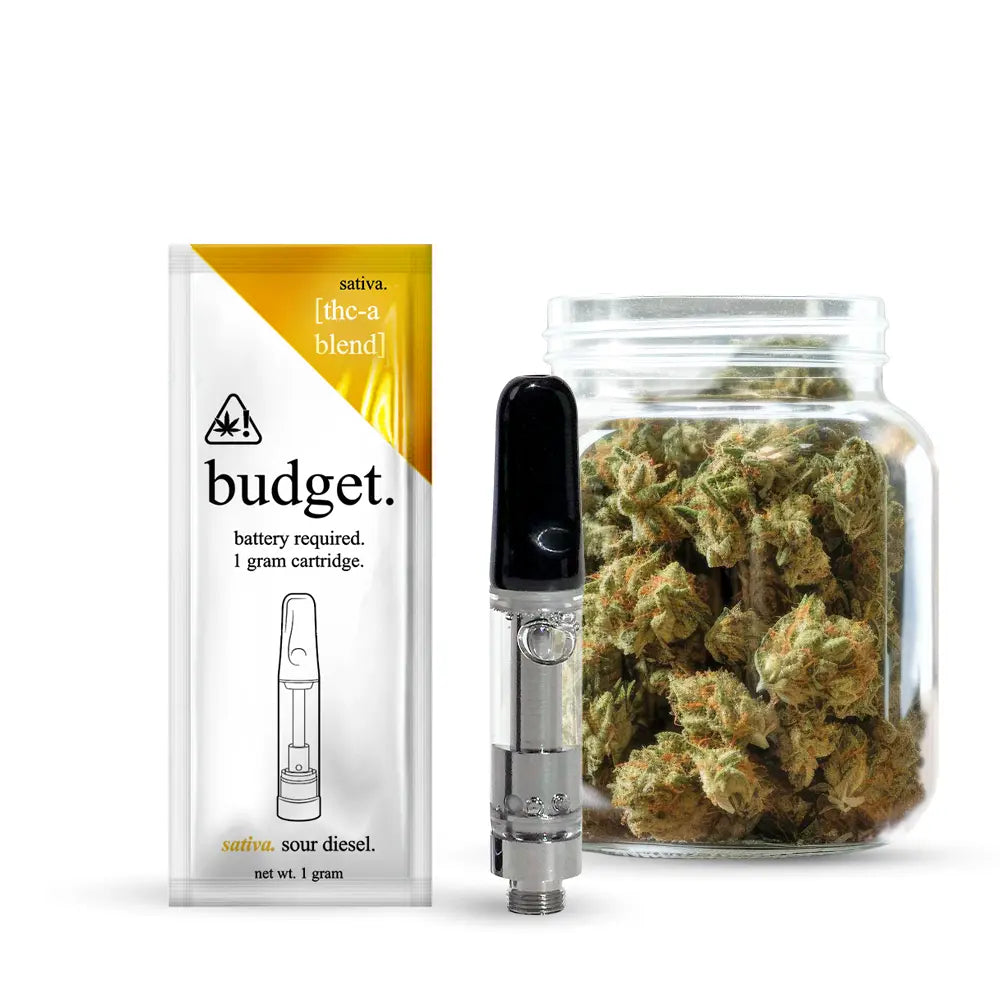
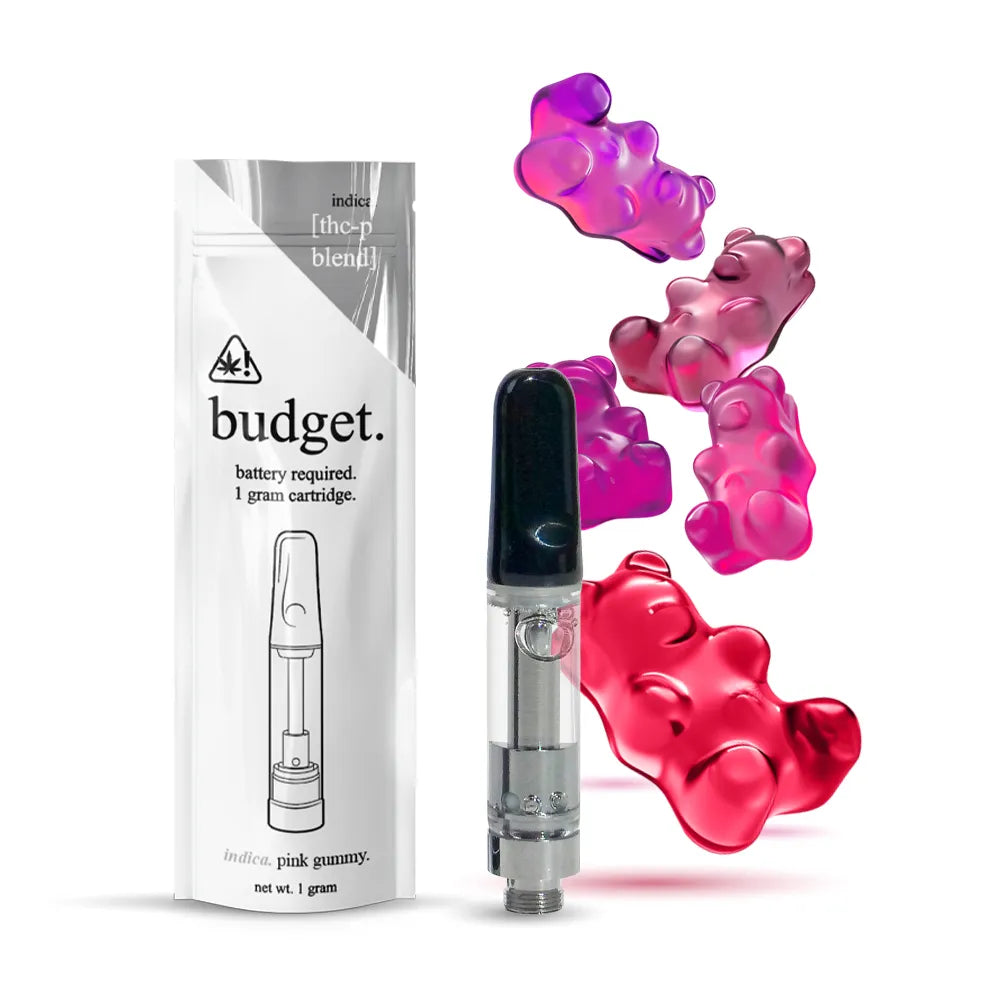
From there, things moved quickly. CBD became widely available. Then Delta-8. Then other cannabinoids like THCA, HHC, and THC-P started showing up in disposable THC vape pens, edibles, and tinctures.
What’s easy to overlook is that all of these start with the same plant.
From a sourcing standpoint, that matters. Hemp can be grown relatively efficiently compared to a lot of raw materials used in consumer products. And because so much of the plant can be used, there’s less waste built into the process.
Of course, not all products are created equally. How the hemp is grown, how it’s extracted, and how the final product is made, all of that plays a role.
But at its core, cannabinoids come from a renewable source that fits into a broader, more sustainable system when it’s done right.
So, Why Does This Actually Matter?
It’s easy to read something like this and file it under “good to know,” then move on.
But hemp is one of those things that quietly touches a lot of categories at once.
The shirt you wear. The materials used in buildings. The packaging that products come in. The ingredients in food or wellness products.The cannabinoids people use to relax, focus, or unwind.It all traces back to the same starting point. And that’s kind of the point.
Sustainability isn’t always about big, dramatic changes. A lot of the time, it’s about better inputs. Choosing materials that require less, waste less, and do more.
Hemp checks a lot of those boxes without making a big deal about it.
Why Hemp Is Worth a Closer Look Right Now
It starts with a plant that does more with less, and it carries through to products that actually reflect that same efficiency.
There is nothing flashy about it, and that is part of the appeal. Hemp does not rely on excess, over-processing, or unnecessary complexity to be useful. It simply grows quickly, adapts well, and delivers value than most crops ever could.
From what goes into the ground to what ends up in people’s hands, it offers a more straightforward way to think about how things are made and consumed.
That is what gives hemp its real impact, and it is exactly why it continues to stand out this Earth Month.