
Rethinking Cannabis: From Escape to Intentional Use
Cannabis is easy to use. That's kind of the point. It works quickly, it's accessible, and for a lot of people, it does exactly what they want it to do in the moment. It takes the edge off. It quiets things down. It helps you feel a little different than you did five minutes ago.
And sometimes, that's enough.
But over time, it's worth asking a slightly more uncomfortable question: is it actually helping the way I think it is?
Because there's a difference between using cannabis and using it well.
Mental wellness isn't really about avoiding stress or never feeling off. That's not realistic for anyone. It's more about how you respond when those moments show up. What you reach for. How often you reach for it. Whether it actually helps you reset, or just distracts you long enough to get through the moment.
Cannabis can absolutely be part of that process. But it tends to work a lot better when there's some intention behind it. Otherwise, it slowly turns into something automatic-and once that happens, it's harder to tell whether it's supporting you or just becoming the default.
That shift-from automatic to intentional-is where things start to change.
Start by asking why
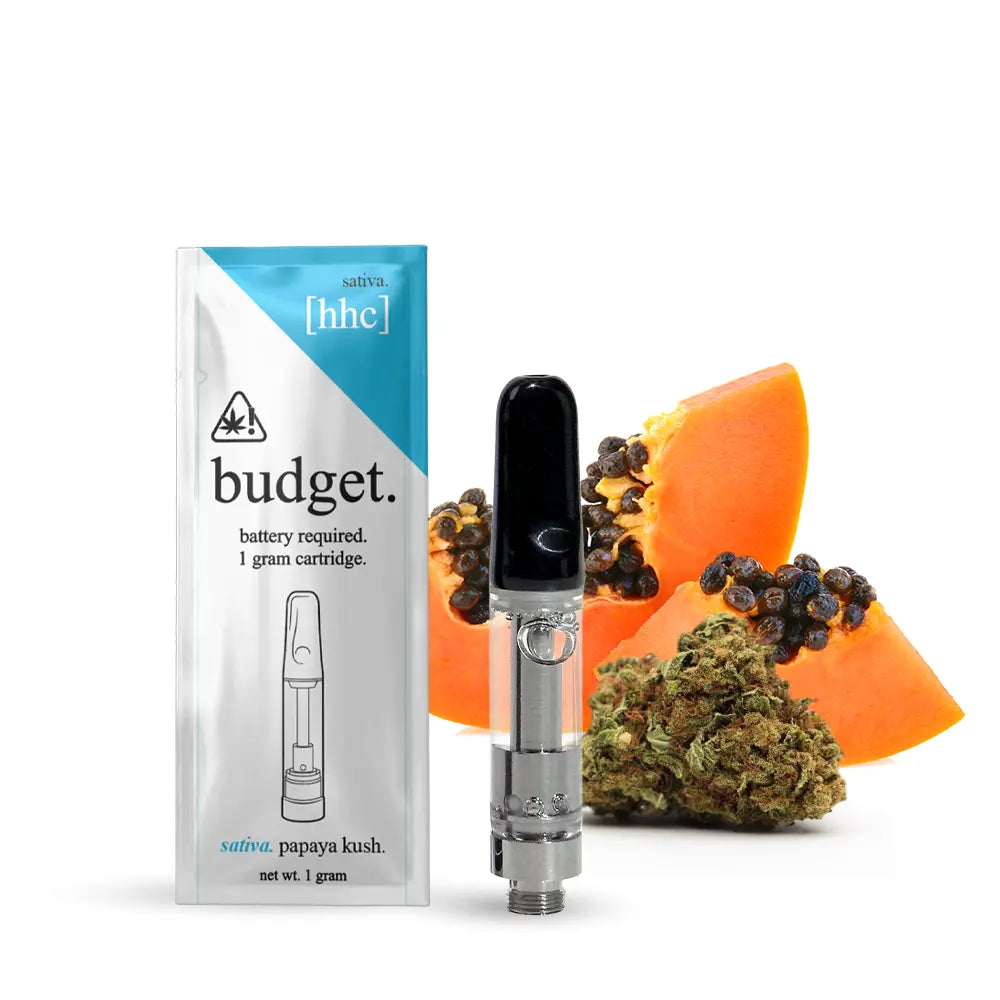
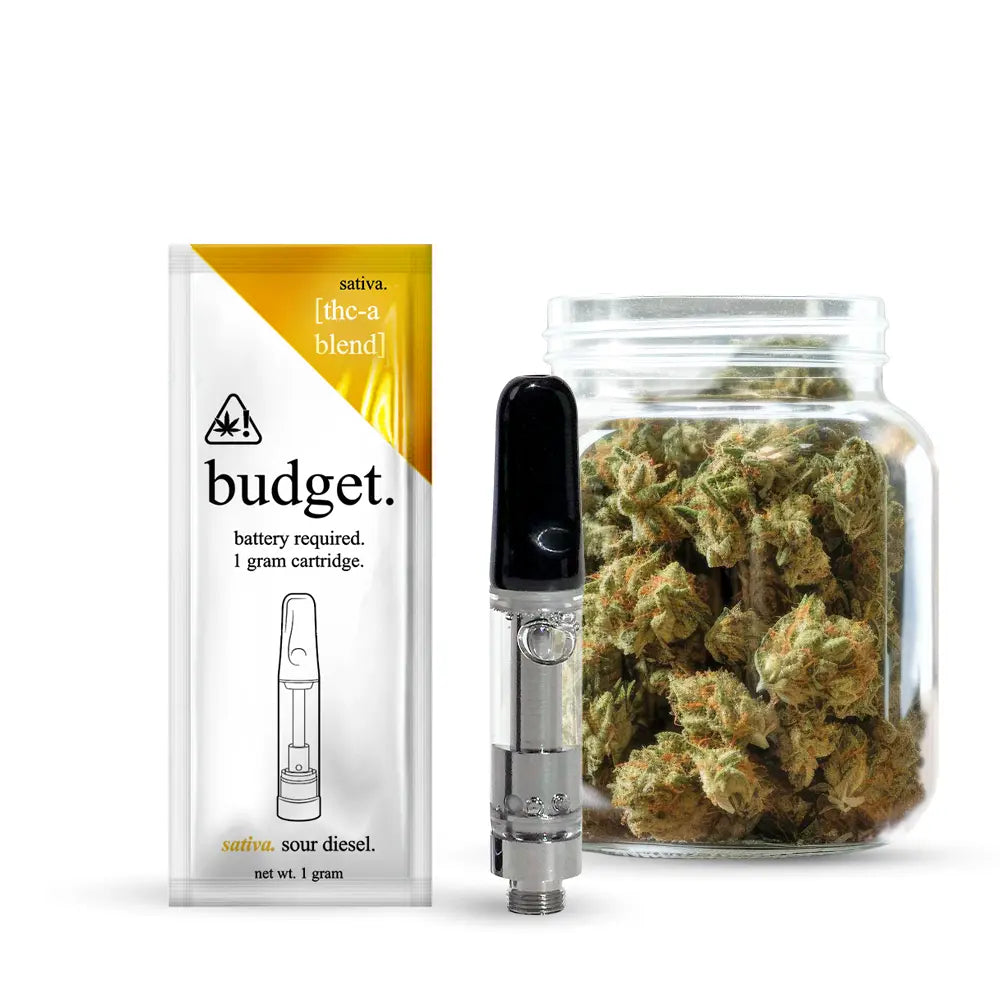
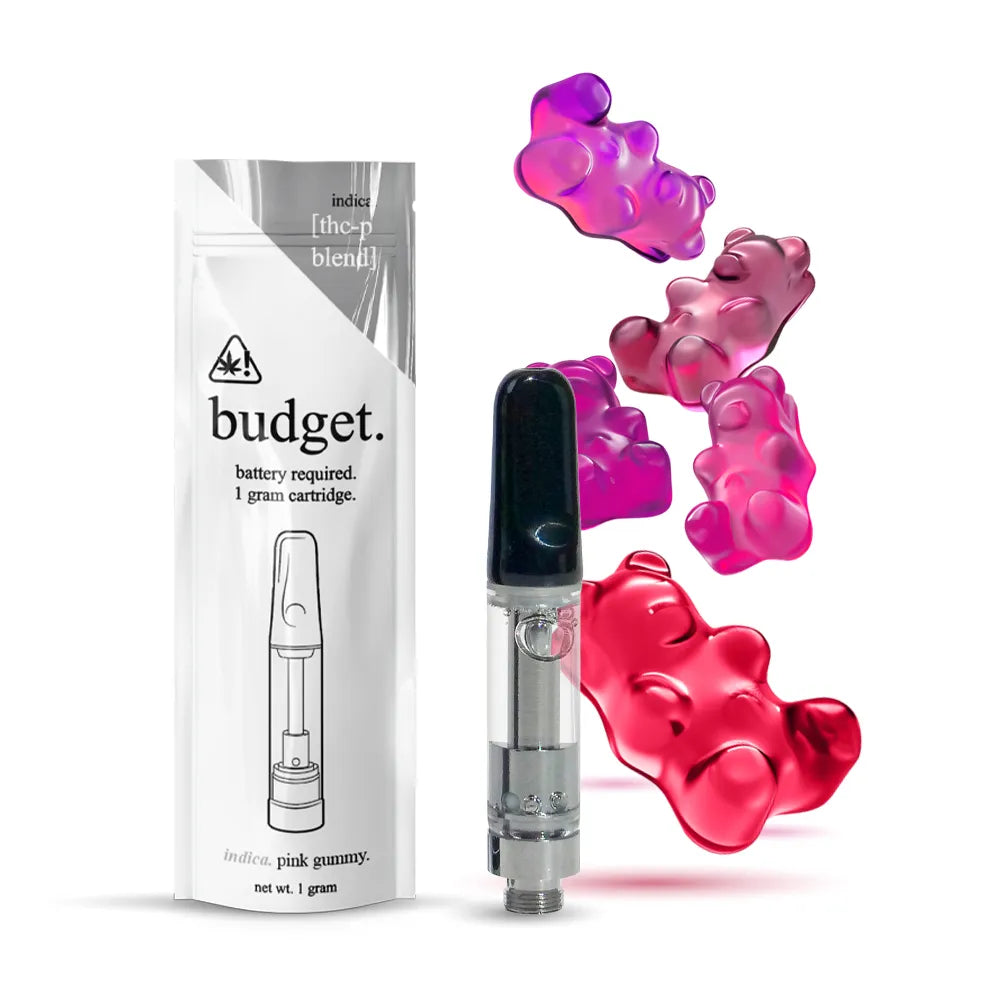
A lot of cannabis use happens without much thought behind it. You get home, you hit your thc vape pen. You feel a little off, you take a few pulls. You're bored, you reach for something to change the feeling.
There's nothing unusual about that. Most people do it.
But if you pause for even a second and ask yourself why you're about to use it, the answer usually tells you a lot more than you expect.
Sometimes it's stress. Sometimes it's anxiety. Sometimes you're just mentally drained and want to shut things off for a bit. And sometimes, if you're honest about it, you're just trying to fill space.
Those aren't all the same thing. And they don't all need the same response.
When you don't think about it, cannabis becomes a kind of one-size-fits-all solution. Sometimes it works perfectly. Other times it overshoots, or doesn't really solve anything, or just pushes things to the side for a while.
But when you take a moment to actually notice what you're feeling, your choices start to shift a little. You might use less. You might reach for something lighter. Or you might realize you don't need it right then at all.
That pause is small, but it's where intention starts.
Not everything needs the strongest option
There's a tendency to think stronger is better. Or at least more effective.
And to be fair, sometimes it is. There are moments when you want something that really changes how you feel. Something that helps you fully disconnect or unwind in a deeper way. But not every moment calls for that.
If you're trying to stay present, get through the rest of your day, or just take the edge off without losing your footing, something lighter usually works better. It's easier to stay engaged. Easier to stay in control of how you feel.
When the intensity matches what you actually need, the whole experience tends to feel smoother. You're not trying to manage the effects after the fact or pull yourself back into a state you didn't mean to leave.
It becomes less about chasing a feeling and more about adjusting where you already are. And that's a much more stable place to be.
Slowing down changes everything
If there's one thing most people underestimate, it's how much pacing matters.
It's really easy to take a few hits, not feel much right away, and assume you need more. So you take more. And then a little more. And by the time it all catches up, you're further than you meant to go. That's where things start to feel unpredictable.
Starting a little lower than you think you need sounds simple, but it gives you room to feel what's actually happening. It lets the experience build gradually instead of all at once. And more importantly, it keeps you in control of it.
You don't have to guess where you're going to land, because you're getting there in real time. You can stop when it feels right instead of trying to walk things back later.
There's also something mental about that process. When you're not chasing a bigger effect, everything feels a little more steady. Less reactive. More intentional.
You're not trying to get somewhere else. You're just making a small adjustment to how you already feel.
It shouldn't be the only thing you rely on
Cannabis can be helpful. That's why people use it.
But when it becomes the only thing you reach for, it starts to take on a different role. Not because there's anything wrong with it, but because it quietly replaces other ways of dealing with things.
And over time, that can narrow your options more than you realize.
There are still other things that matter when it comes to how you feel. Getting enough sleep. Moving your body. Taking a break from whatever is draining you. Even just sitting with something for a minute instead of immediately trying to change it.
Cannabis can support those habits. It can make it easier to relax, to unwind, to shift your state. But it works better when it's part of a bigger picture, not the entire solution.
When you have other ways to reset, cannabis becomes something you can use when it makes sense-not something you depend on every time something feels off.
And that alone changes how it feels when you do use it.
The shift is subtle, but it matters
None of this is about doing everything perfectly.
You don't need to rethink every single time you use cannabis. You don't need a system or a routine that feels rigid or forced.
It's just about being a little more aware of what you're doing and why.
A small pause before you use it.
A little more attention to how much you're taking.
A bit more honesty about what you actually need in that moment.
That's it.
But those small shifts tend to add up. The experience becomes more consistent. More predictable. More aligned with what you actually want out of it.
And over time, cannabis starts to feel less like something you fall back on-and more like something you choose.
Control the input. Control the outcome.
Cannabis works a lot better when it's something you choose with intention, not something you reach for without thinking.
Even a small shift in how you approach it can change the entire experience. When you pay attention to what you're using, how much, and why, it becomes easier to stay level, reset when you need to, and avoid going further than you meant to.
Used that way, it doesn't complicate how you feel. It supports it.
And that's really the difference-between escaping something for a moment, and actually working through it in a way that lasts.